In today’s fast-moving tech world, picking the right Inertial Platform for your project is more important than ever if you want top-notch performance and reliability. Whether you’re working on the latest autonomous driving tech or complex attitude and control systems, your choice of an Inertial Platform can really make or break your success. Poseidon International Group, based in Hong Kong and founded back in 2013, specializes in independently researching, designing, and manufacturing these advanced navigation systems, including fiber optic gyroscopes and other smart tech — they’ve even secured multiple patents along the way. This blog’s here to help you figure out what to look for when choosing an Inertial Platform. The goal is to help you find a solution that fits your specific needs and tackles your unique challenges. By understanding the key features and capabilities of different inertial systems, you’ll be better equipped to make smarter decisions that boost innovation and improve your overall system performance.
Understanding Inertial Platforms: Key Features to Consider
So, when you're picking an inertial platform for your project, it's pretty important to think about the key features that could affect how well it works and how reliable it is. You know, things like fiber optic gyroscopes (FOG) and inertial navigation systems (INS) are super crucial—they give you vital data for navigation and control across pretty much every industry these days, from aerospace and automotive to robotics. Interestingly, a recent market report suggests that the global market for inertial navigation systems might hit around $12 billion by 2026, growing at roughly 8.7% annually since 2021. Crazy, right?
Here's a tip: Before you settle on a specific inertial platform, really think about what your application needs. Things like size, weight, how much power it’ll draw, and even the environmental conditions it’ll be working in. For example, Poseidon International Group, who’s pretty much a leader in this field, actually researches and develops their FOGs and INS to match different operational needs—so they’re tailored and reliable.
Another thing to keep in mind is how accurate and dependable the platform is. Especially if you're working with self-driving cars or precision-guided tech, even tiny errors can cause big problems. Poseidon's got some patented tech that makes sure their systems meet top-notch standards—giving users confidence in what they're deploying.
Here's another tip: Try to pick platforms with a solid track record—these should have gone through rigorous testing and been proven in real-world situations. Knowing that others have tested and trusted them can give you a lot of peace of mind about performance in the field.
Comparison of Inertial Platforms Key Features
Different Types of Inertial Platforms: Which One Fits Your Needs?
Choosing the right inertial platform for your project isn’t just about picking any tech — it's really about understanding the different options out there and figuring out which one fits your needs best. Basically, inertial measurement units, or IMUs, come in a few main types: MEMS, fiber optic gyroscopes (FOGs), and ring laser gyroscopes (RLGs). And I gotta say, according to the latest market reports, the IMU industry is growing pretty fast — about 9.7% a year, expected to hit around $3.7 billion by 2027. That’s reflects how demand is booming in areas like aerospace, automotive, and robotics, each of which needs specialized solutions.
MEMS IMUs are the go-to for everyday gadgets and mobile stuff — they’re tiny, cheap, and do the job well enough for most consumer applications. On the other hand, FOGs are making waves in aerospace, where accuracy really matters. These units can achieve precision up to 0.1 degrees per hour — pretty impressive, huh? They’re perfect for navigation in tough, high-stakes environments. Then there are RLGs, known for being super stable and reliable, often used in defense projects or space missions. Sure, they’re expensive, but they perform at a whole different level. When you understand these differences, it’s easier for businesses to pick the right tech based on what they really need and what they’re willing to spend. In the end, choosing the right IMU can seriously boost your system's overall performance.
Application-Specific Requirements: Tailoring the Inertial Platform Choice
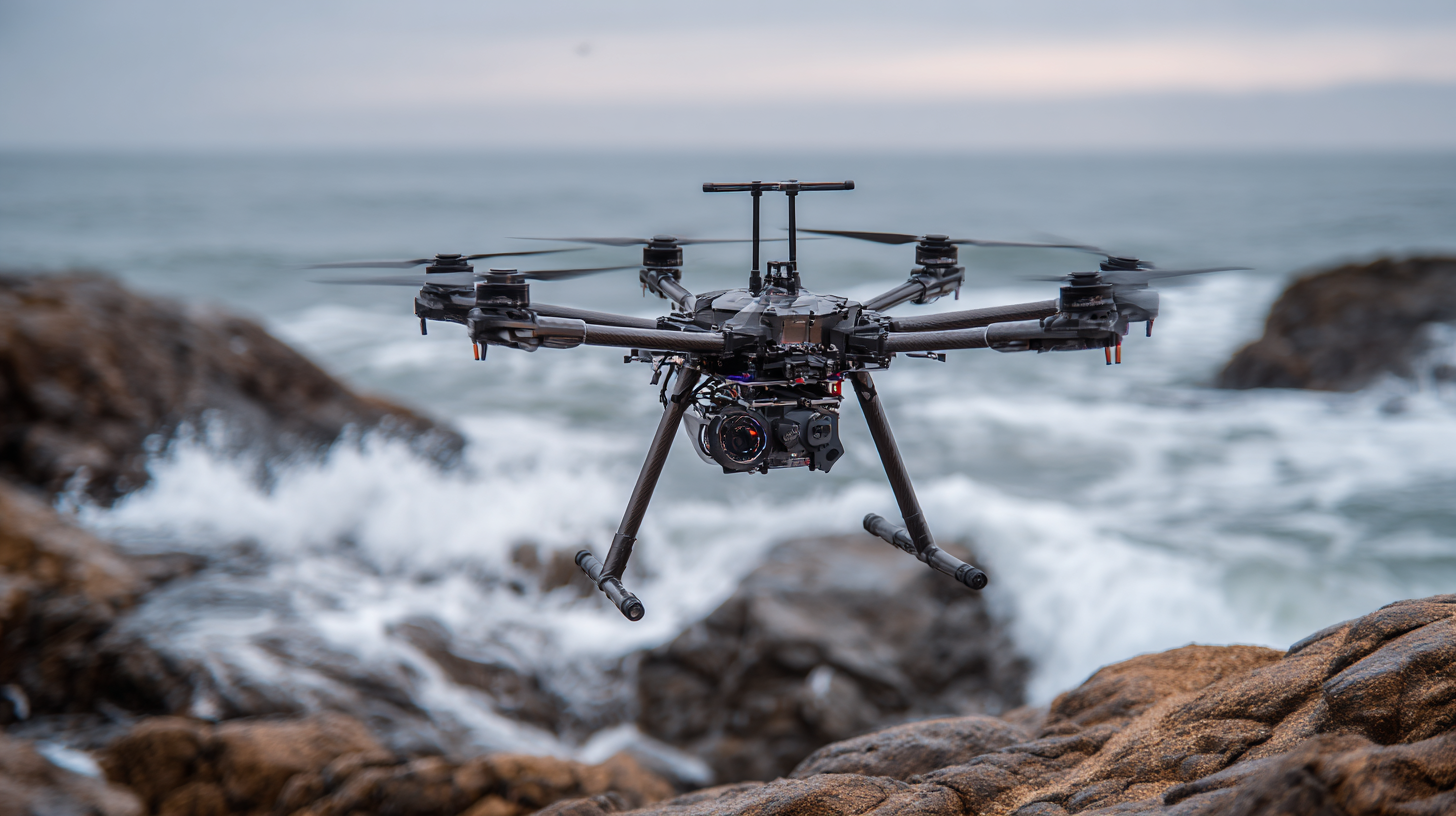
When you're choosing an inertial platform for your project, it's really key to think about what’s actually needed for your specific application. Different use cases—whether it’s in robotics, aerospace, or just consumer gadgets—have pretty different requirements when it comes to accuracy, size, weight, and how well it can handle tough environments. For example, a drone’s got to be lightweight, super sensitive, and respond quickly, while an industrial machine might need something tough and stable enough to handle rough conditions without fussing. Getting a good grasp of these specific needs can really help you narrow down your options and avoid unnecessary headaches.
Also, don’t forget to factor in things like where your device will be used and how easily the platform can be integrated with other system parts. If you're working outdoors, for instance, your platform needs to stand up to extreme temps, humidity, and vibrations. But if it’s for indoor use, things like size and keeping costs down might be more important. And of course, think about how the inertial platform fits into your whole system—software compatibility, data processing, all that stuff. Taking a step back to consider these details will help you pick a platform that not only fits your initial needs but also boosts your overall system’s performance and reliability.
How to Choose the Right Inertial Platform for Your Application Needs - Application-Specific Requirements: Tailoring the Inertial Platform Choice
| Application Type |
Required Accuracy (°/h) |
Bandwidth (Hz) |
Temperature Range (°C) |
Size (mm) |
| Aerospace Navigation |
0.5 |
100 |
-40 to 85 |
250 x 150 x 50 |
| Robotics |
1 |
50 |
-20 to 70 |
100 x 60 x 30 |
| Automotive |
2 |
30 |
-30 to 85 |
150 x 100 x 25 |
| Marine |
0.8 |
40 |
-10 to 60 |
200 x 120 x 40 |
| Industrial |
1.5 |
20 |
-40 to 85 |
180 x 90 x 35 |
Evaluating Performance Metrics: Accuracy, Sensitivity, and Response Time
When you're trying to pick the perfect inertial platform for your project, it’s super important to think about a few key things—like accuracy, sensitivity, and how quickly it responds. Accuracy basically means how precise the measurements are. For example, with recent tech breakthroughs—like those high-sensitivity plasmonic biosensors that can detect all kinds of viruses—it’s clear how crucial accuracy really is. These sensors show just how much nanotechnology advancements can boost performance in critical areas, which in turn highlights why inertial platforms need to be reliable and give you trustworthy data.
On the flip side, sensitivity is all about how well the platform reacts to even tiny changes in the environment. This is especially a big deal in medical devices or sensors, where small differences can totally change the outcome. Take machine learning in point-of-care testing, for example—that combo can make sensors more sensitive and faster, leading to quicker, more efficient diagnoses. When you focus on these key performance aspects, it helps engineers and developers pick the right inertial platform that really fits what they need—making sure everything works smoothly and accurately in the end.
Budget Considerations: Balancing Cost and Quality in Selection
When you're choosing an inertial platform for your project, keep in mind that your budget can really influence your final pick. It’s all about finding that sweet spot between cost and quality. Going for the cheapest option might save you some cash upfront, but it could end up hurting performance down the line. On the other hand, splurging too much might put a strain on your overall project budget. A good starting point is to really assess what your application needs—think about things like accuracy, range, and durability. That way, you can set a realistic budget without sacrificing what's important.
Here’s a little tip: look for scalable solutions that come with different pricing levels depending on the features you want. This way, you can kick things off with a more budget-friendly option and upgrade later as your needs grow—no need to toss out the whole system.
And don’t forget about the total cost of ownership. Some platforms might be cheaper when you buy them, but they could end up costing more in maintenance or support over time. Sometimes investing a bit more upfront in a higher-quality inertial platform can actually save you money in the long run because it lasts longer and needs less fuss.
Another thing: don’t just settle on the first quote you get. Reach out to a few different suppliers, compare what they’re offering, and be sure to watch out for hidden costs like calibration services or extended warranties—they can add up pretty quickly.
Future Trends in Inertial Technology: Preparing for Tomorrow's Needs
Looking ahead to the future of inertial technology, it’s pretty clear we need to think about how emerging trends are going to shape what’s needed out there. More and more, different sectors like shipping and electric power are relying on precise and efficient solutions — and inertial platforms are perfectly suited to deliver just that.
 For example, with the International Maritime Organization pushing hard for a net-zero emissions goal, we’re gonna see a big jump in demand for tech that can help optimize shipping routes and cut down fuel use. Inertial sensors will be a big part of reaching these sustainability targets because they provide real-time data that boosts navigational accuracy and safety.
Plus, with Taiwan expecting electricity demand to grow by around 1.7% each year over the next decade, having advanced inertial platforms on hand is going to be essential for managing the tricky balance between supply and demand. The cool thing is, these platforms are super adaptable—they can be used in all sorts of applications, from transportation solutions to renewable energy management.
It’s pretty clear that investing in the right inertial tech today will set industries up for success in this rapidly changing economy of ours. Basically, staying ahead of the game now means we’re better prepared for whatever the future throws at us.
Enhancing UAV Performance: Insights from Recent Market Reports on Inertial Navigation Systems and the BSD120 Sensor
In the rapidly evolving field of UAV technology, the integration of advanced inertial navigation systems (INS) is critical for enhancing performance and ensuring precise operations. Recent market reports shed light on the significance of employing high-quality sensors such as the Poseidon BSD120 uniaxial precision fiber optic gyroscope. This innovative device, known for its fast startup and exceptional reliability, is perfectly suited to meet the rigorous demands of UAV navigation and positioning.
The Poseidon BSD120 stands out with its digital closed-loop technology, providing remarkable zero-bias stability ranging from 0.01°/h to 0.05°/h after just 10 seconds of smoothing. With compact dimensions (98mm x 98mm x 35mm) and a lightweight design (≤ 470g), it is engineered for versatility, making it an ideal choice for high-precision applications across various platforms. Its resistance to vibration and shock, combined with an extensive dynamic range, allows it to thrive in turbulent environments, including autonomous vehicles and industrial automation settings. This capability is essential for achieving superior navigation performance critical for UAVs operating in challenging conditions.
By focusing on cutting-edge technologies like the Poseidon BSD120, UAV developers can significantly enhance the operational effectiveness and reliability of their systems. The versatility and performance of high-precision inertial navigation systems will undoubtedly play a pivotal role in the future of UAV technology, paving the way for more sophisticated and dependable aerial solutions.
FAQS
: Key features include size, weight, power consumption, environmental conditions, accuracy, and reliability. It's essential to assess the specific requirements of your application to choose the right platform.
Accuracy is crucial as it ensures precise measurements, which is particularly vital for applications like autonomous vehicles or precision-guided devices where even minor discrepancies can lead to significant errors.
Look for platforms that have undergone rigorous testing and have a proven track record in real-world scenarios. This history can indicate how well a platform will perform under operational conditions.
Key performance metrics include accuracy, sensitivity, and response time. These metrics help determine how well the platform aligns with your application needs, ensuring efficacy and reliability.
Budget considerations are vital as they can affect your decision. It's important to balance cost and quality, taking into account both initial purchase price and total cost of ownership, including maintenance and support costs.
Sensitivity refers to how responsive a platform is to environmental changes. It plays a significant role in applications like medical devices, where minor variations can impact outcomes.
No, opting for the cheapest option may lead to compromised performance. It's advisable to evaluate the necessary specifications and look for scalable solutions that can grow with your needs.
Request quotes from multiple suppliers and compare the packages. Be mindful of hidden costs like calibration services or extended warranties to ensure you understand the total expense.
Investing in a quality platform with better longevity can save money over time through reduced maintenance and support costs, making it a more economical choice in the long run.
The advancements in technologies, such as high-sensitivity plasmonic biosensors, highlight the increasing importance of accuracy in performance metrics for inertial platforms across various applications.
Conclusion
Picking the right inertial platform really matters if you're aiming for success, whether it’s for autonomous vehicles, navigation tools, or other techy stuff. Knowing what to look for—like accuracy, sensitivity, and how quickly it responds—can actually make a big difference when you're making your choice. It’s worth taking the time to check out the different types of inertial platforms out there and picking one that fits your specific needs. The goal? Find something that hits your performance targets without blowing your budget, all while making sure you’re not sacrificing quality.
And as this tech keeps evolving, staying in the loop with the latest trends is more important than ever. Companies like Poseidon International Group in Hong Kong are really pushing the envelope, working on cutting-edge stuff like fiber optic gyroscopes and high-tech navigation systems. If you think about all these factors—the features, the innovation—you're better equipped to pick a platform that’s just right for your unique application. Plus, it sets you up for whatever comes next down the line.
All in all, it’s about balancing your needs, knowing what's out there, and planning ahead—so you’re not caught off guard down the road.

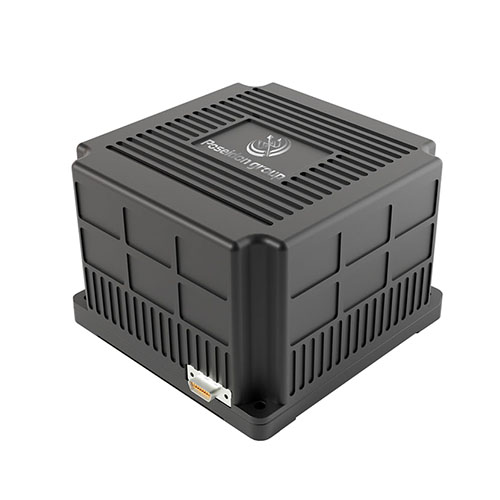 TBSD60
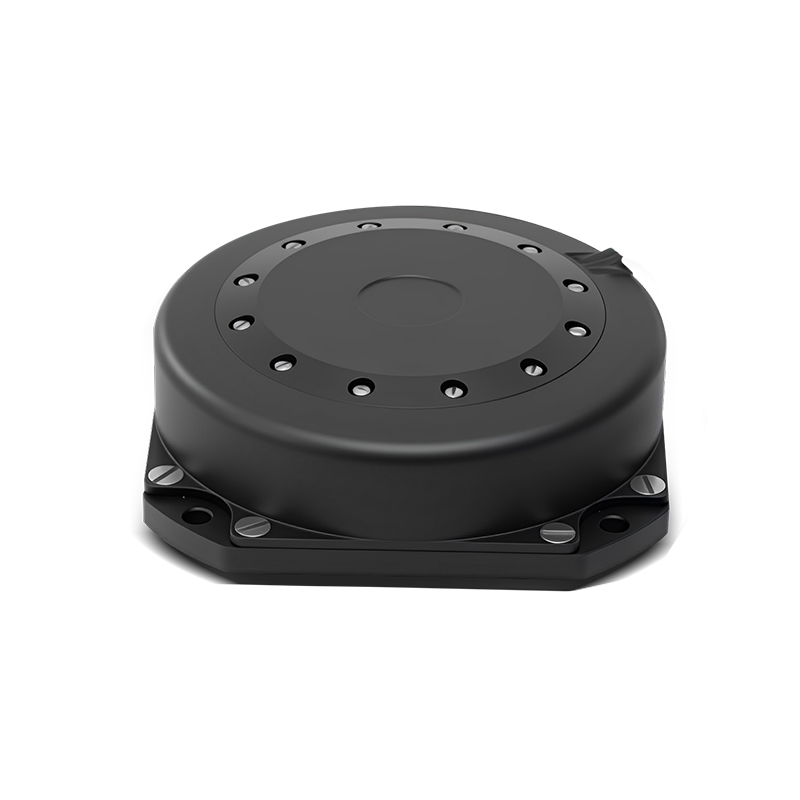
 BSD120
 BSD98
BSD98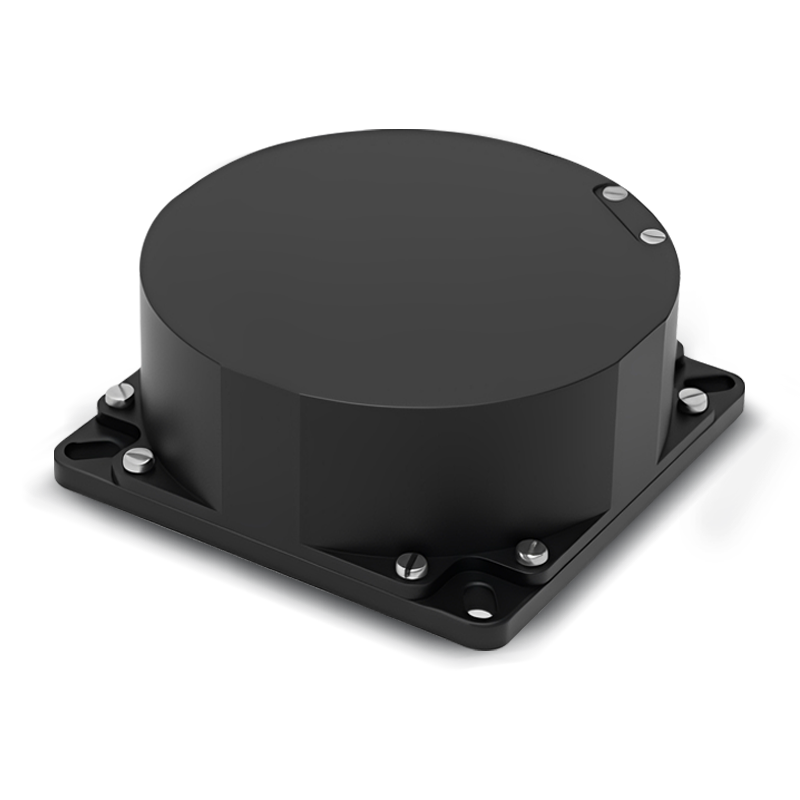 BSD70
BSD70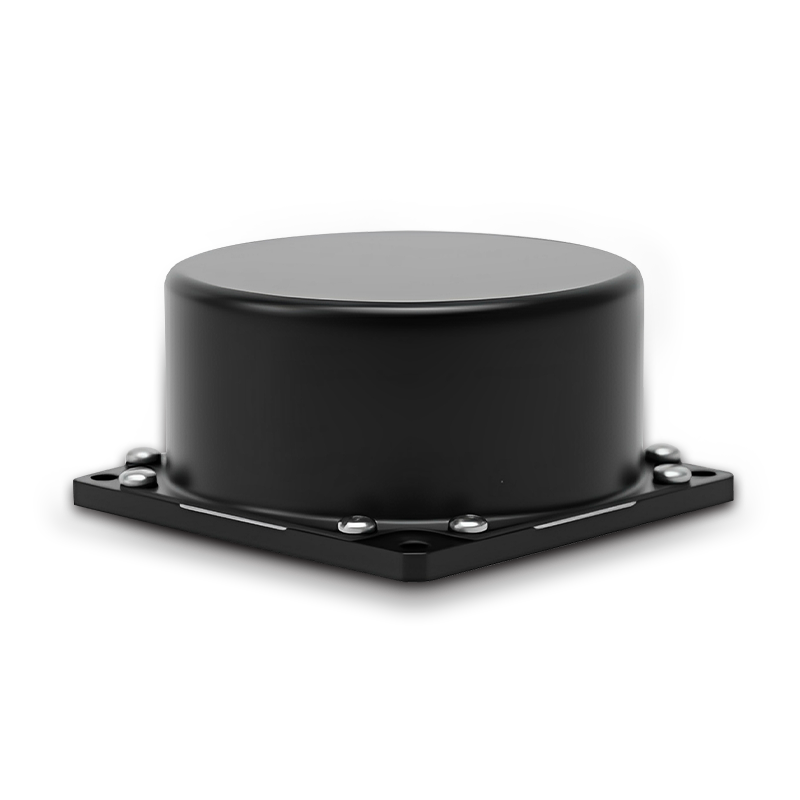 BSD60
BSD60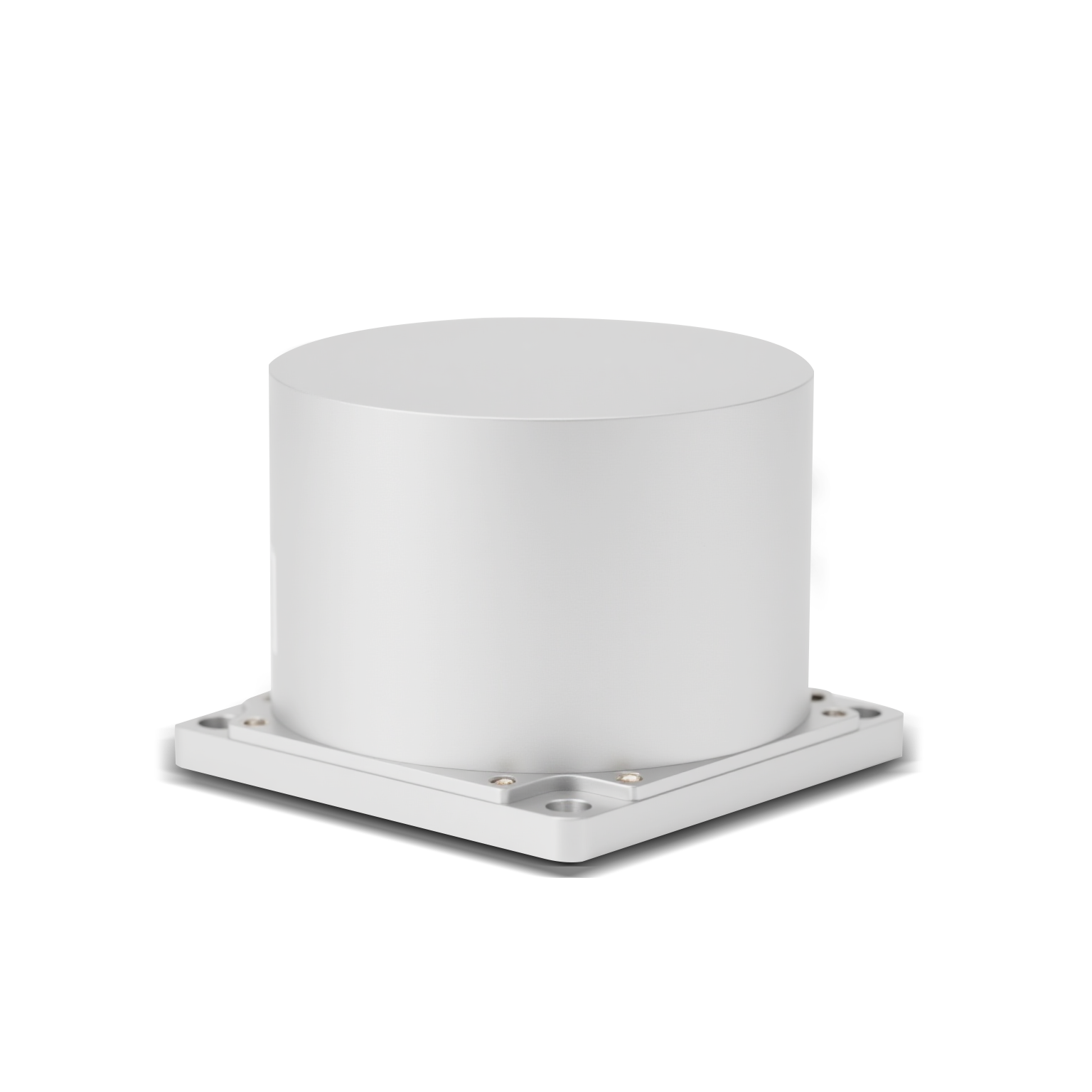 BSD50
BSD50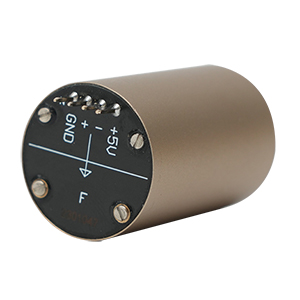 BSD217
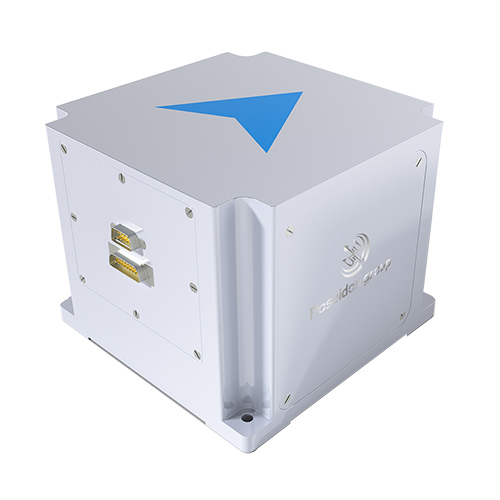 INS1700
 INS970
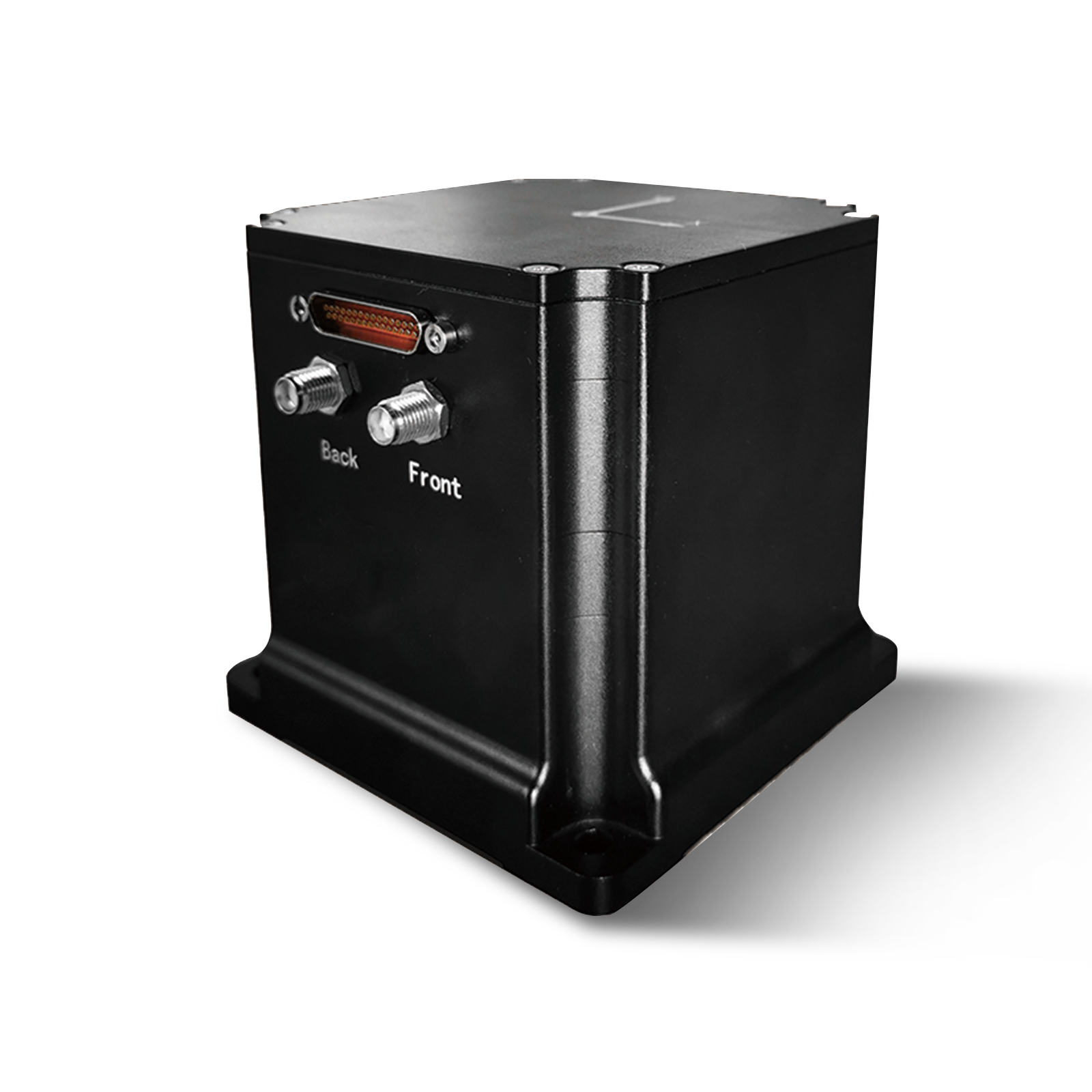 INS570
 INS170
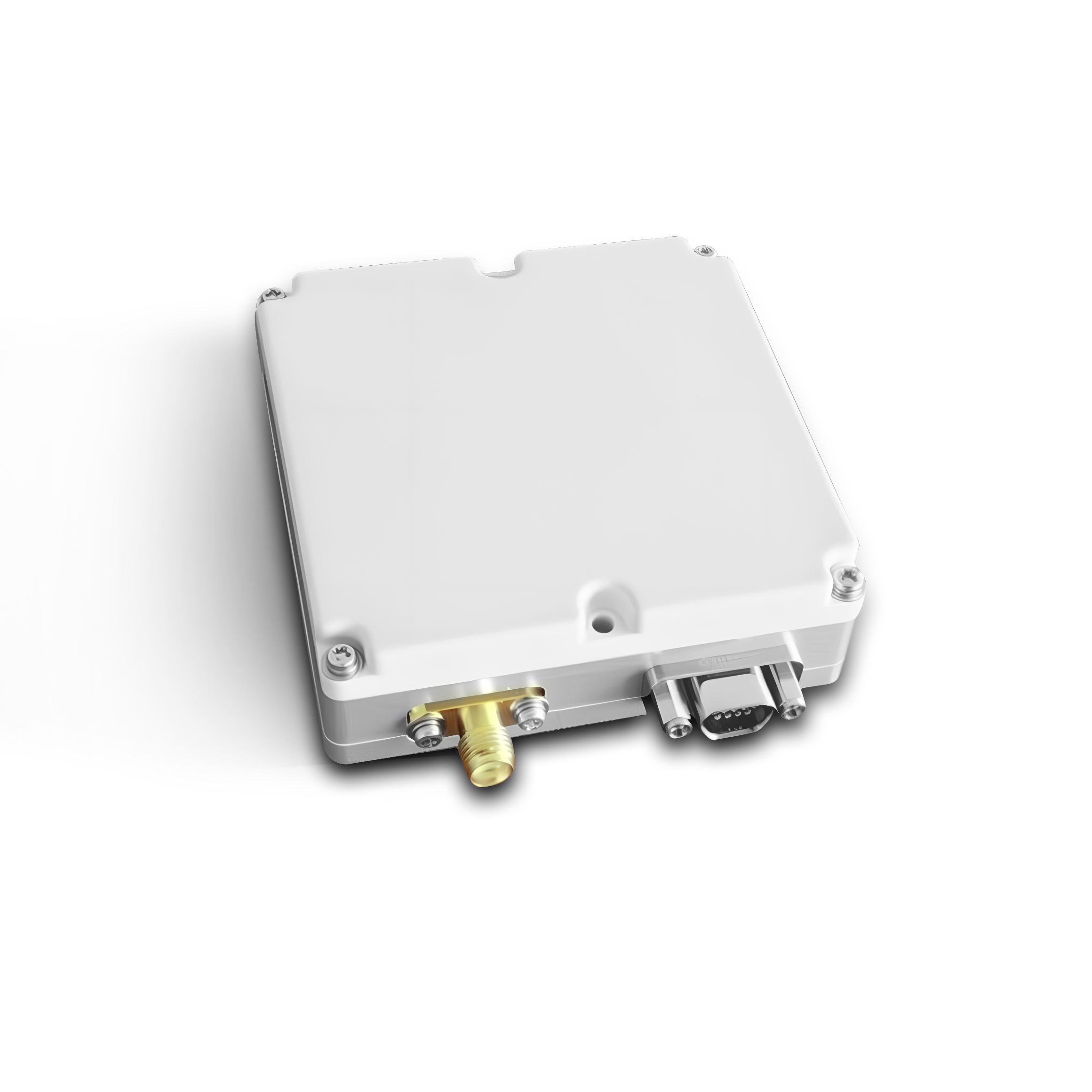 SLA-4B1L1-65
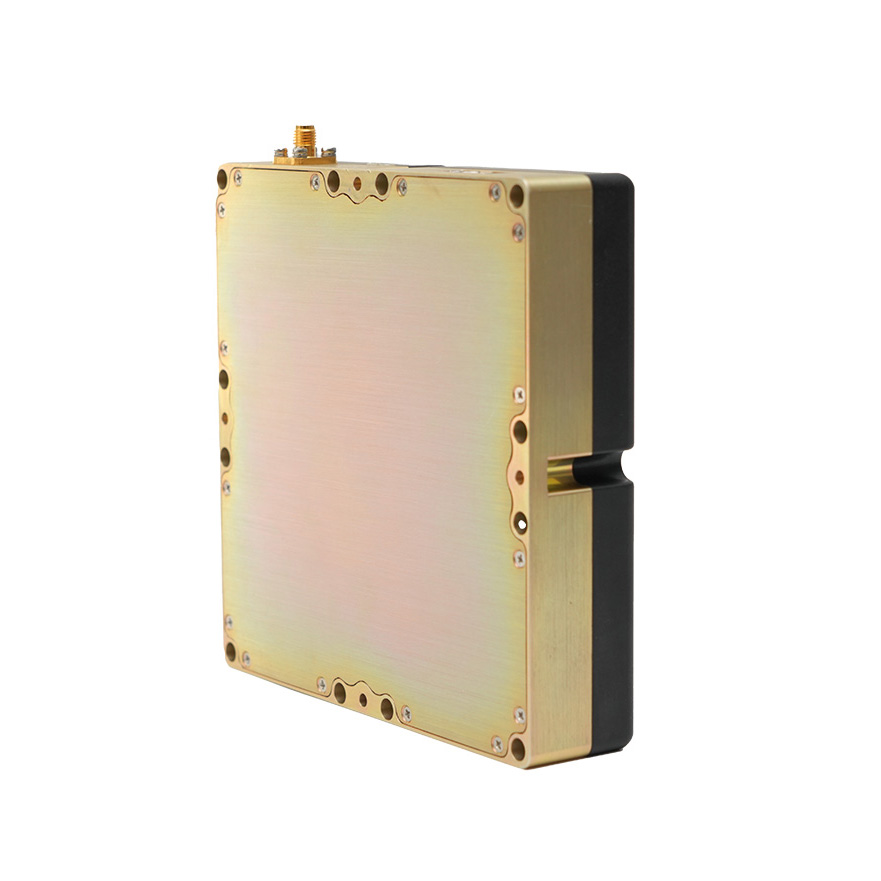 SLA-4B1L1-130
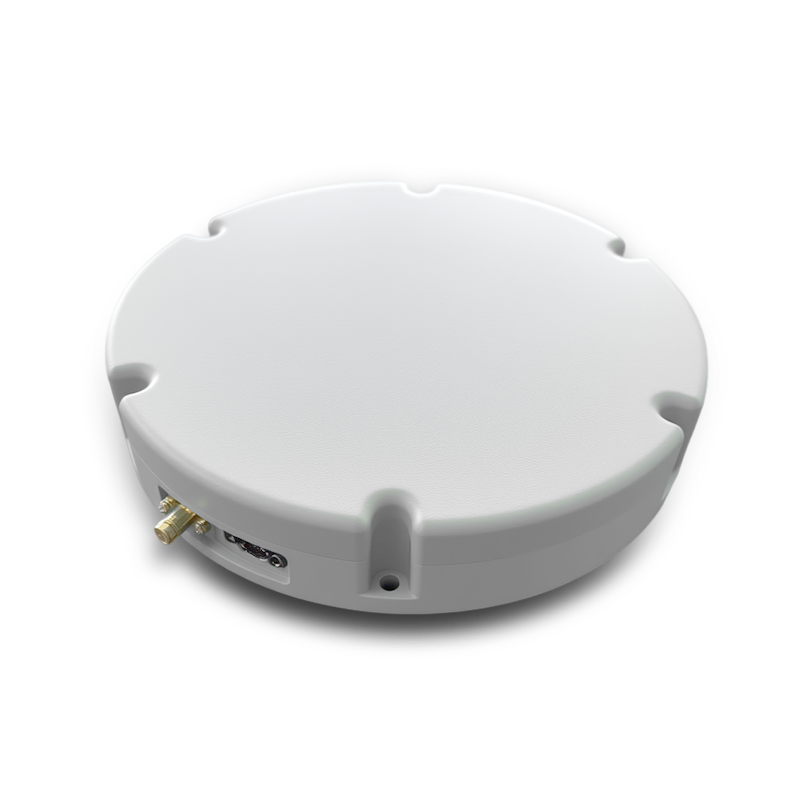 SLA-8B1L1-165
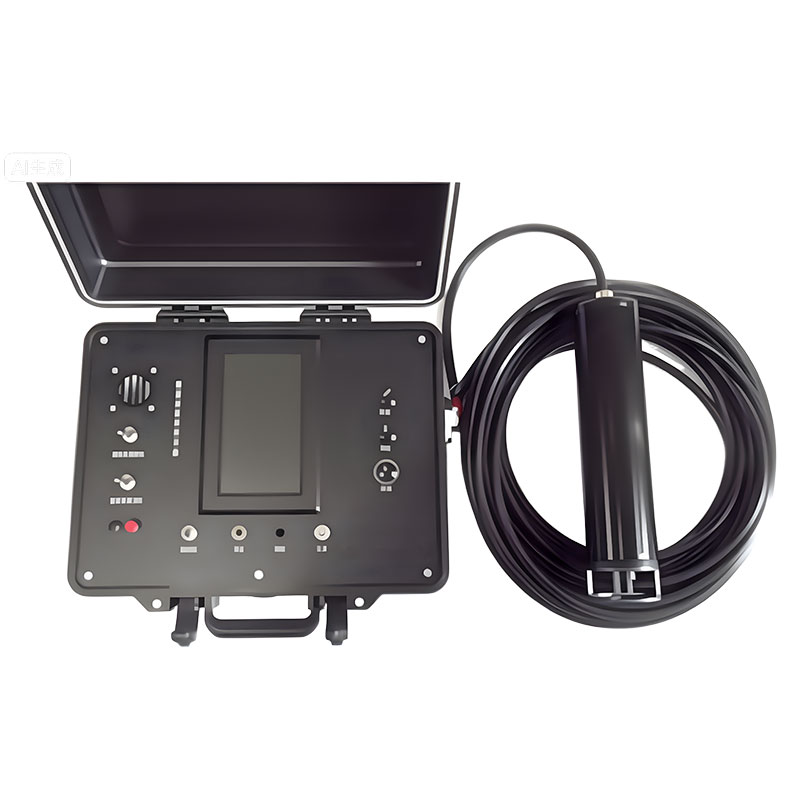 DIVER 101
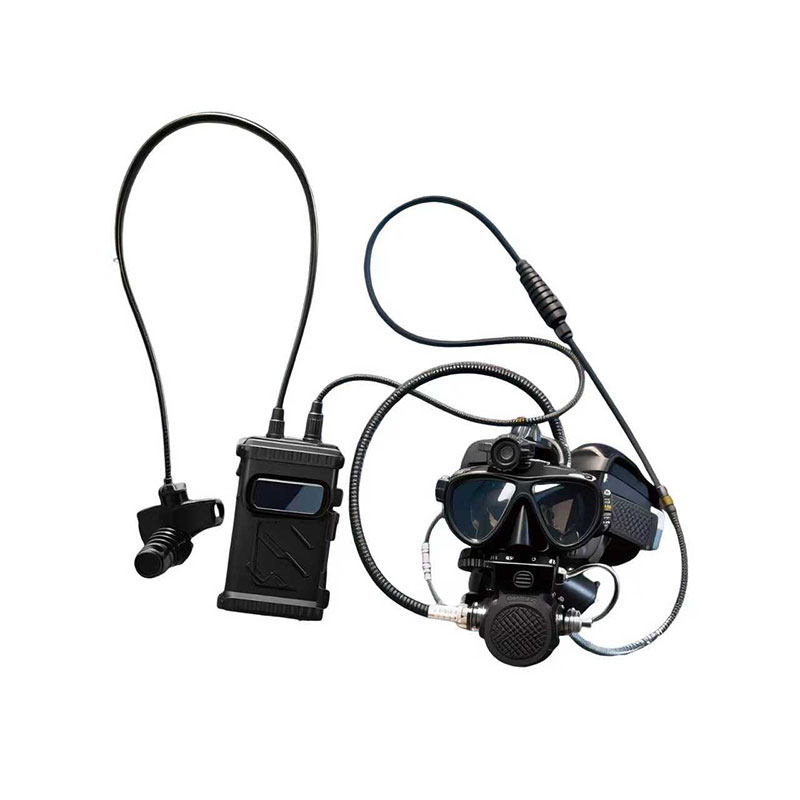 DIVER 102
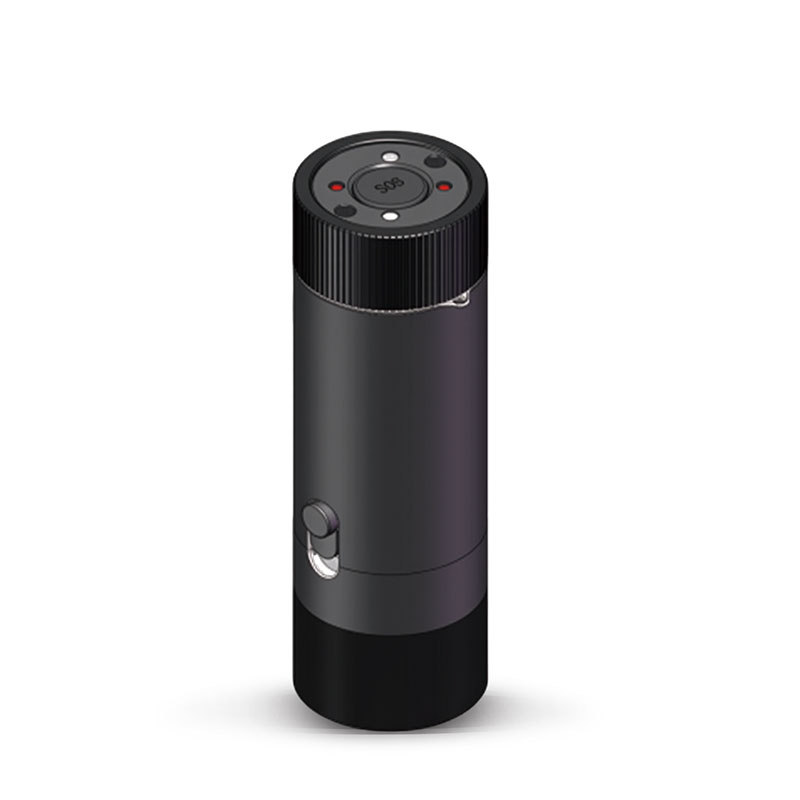 DIVER 103
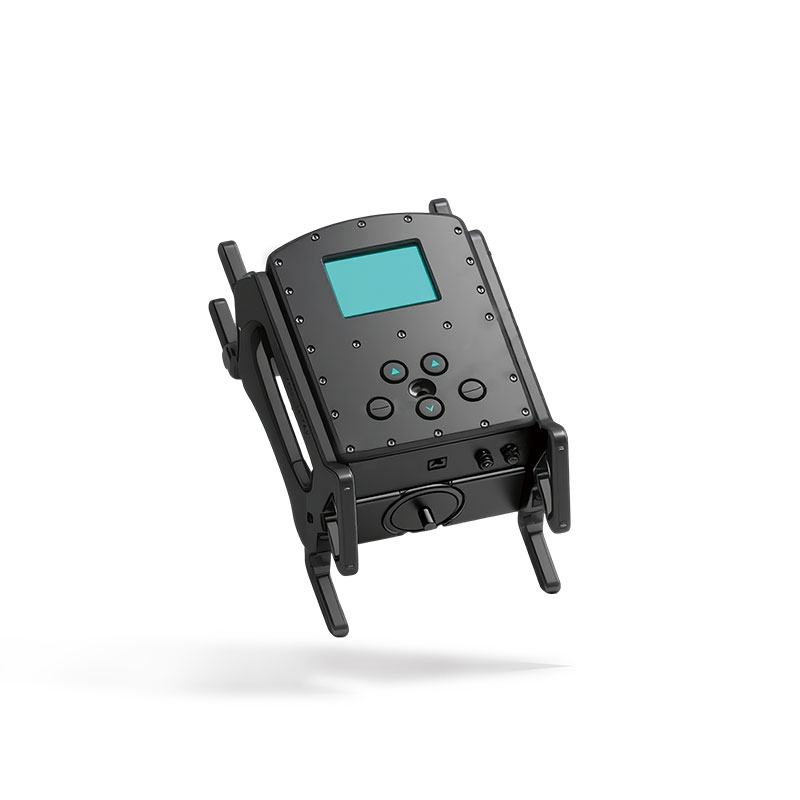 DIVER 104
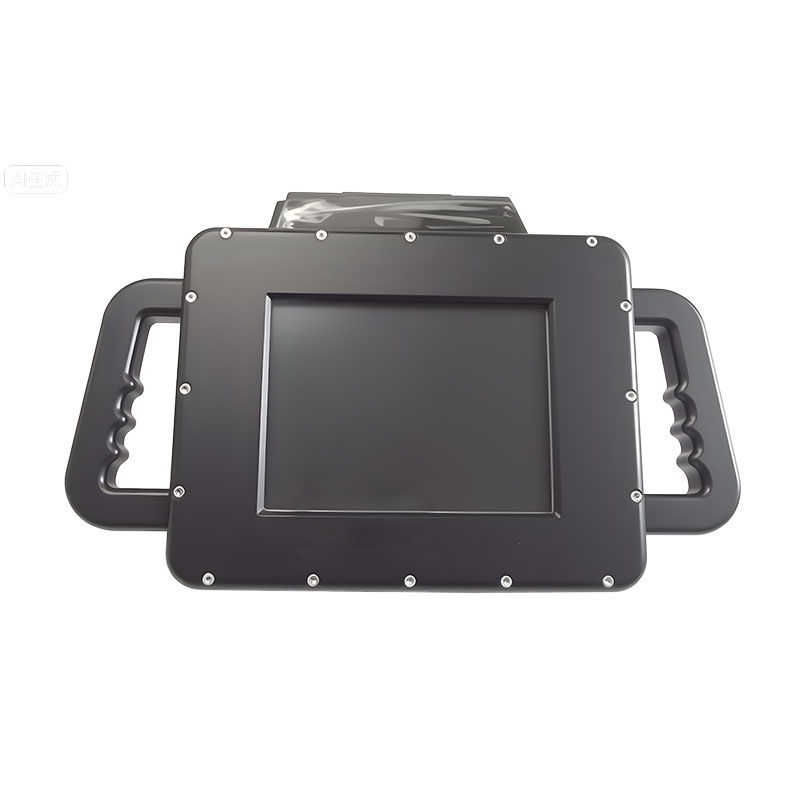 DIVER 105
 DIVER 106
 SLLR3000
 SLLR905
 SLLD25
 160M
160M 170M
170M SLFC-70
 SLAF280
 MR360
MR360